How do you make a portrait of someone without simply putting them in front of a camera?
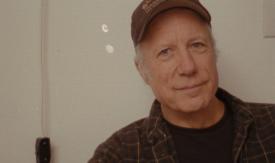
Glasgow-based artist and musician Luke Fowler has been returning to this question for more than two decades, looking for people in the things that surround them: their voices, papers and recordings, the rooms they inhabited and the landscapes they moved through. Analogue filmmaking remains central to his practice, alongside an attentive approach to sound, archive and place. Through this online retrospective, these films form something similar around Fowler himself — an indirect portrait assembled through the artists, places, collaborators and histories he has chosen to work with.
Several films in this selection are portraits, though rarely in the conventional biographical sense. Patrick evokes electronic music producer Patrick Cowley through recordings, documents and the changing San Francisco neighbourhood, once home to the clubs and queer communities of which he was part.
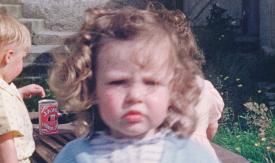
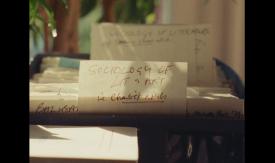
Mum’s Cards turns to Fowler’s own mother, a sociologist whose house became filled with shoeboxes and filing cabinets of handwritten index cards accumulated over a lifetime of reading.
In Being in a Place: A Portrait of Margaret Tait, previously unseen recordings, notebooks, rushes and the landscape of Orkney become the means of encountering the Scottish filmmaker and poet.
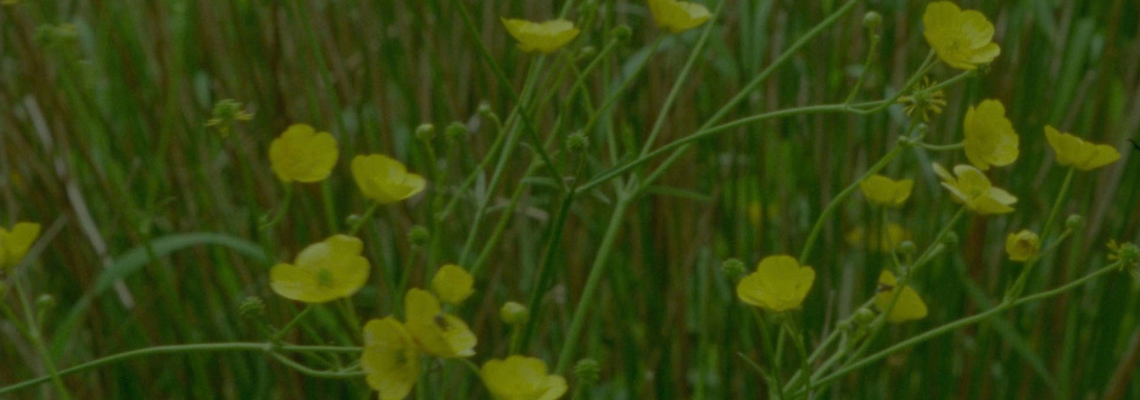
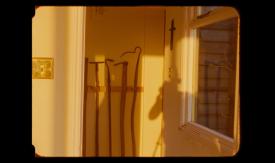
Being Blue continues this dialogue with an earlier artist. Made during a residency at Prospect Cottage, Derek Jarman’s former home in Dungeness, it brings together the house, the surrounding landscape, newly discovered recordings of Jarman, readings from his books, field recordings and music.
Cézanne, shot in and around the painter’s studio and garden in Aix-en-Provence, approaches the artist through the places that shaped his work.
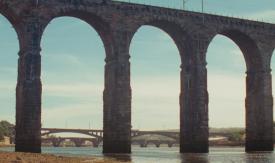
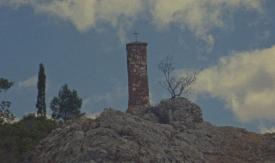
Elsewhere, place itself becomes a form of portrait. Enceindre, made with sound recordist Chris Watson, studies the fortified cities of Berwick-upon-Tweed and Pamplona through their walls, sounds and histories. Depositions moves between archival and contemporary images of the Scottish Highlands, bringing different ideas of tradition, freedom and modernity into contact.
In Fowler’s films, people emerge indirectly, through their habits, surroundings and intellectual life. A portrait, in his hands, does not have to resolve a person into a coherent story. It can remain partial, dispersed across the things and places through which a life becomes visible.
Fowler has described filmmaking as a social process, and that idea runs throughout this selection. His films are shaped by collaboration, attention and proximity. Taken together, they also offer a way of approaching Fowler himself: not through biography, but through the people, places and artistic relationships he returns to.
DAFilms.com is powered by Doc Alliance, a creative partnership of 7 key European documentary film festivals. Our aim is to advance the documentary genre, support its diversity and promote quality creative documentary films.